
K-Pop Comeback Explained
If you’re new to K-pop, the word “comeback” can be a little confusing.
In Western music, it usually means an artist returning after years away. In K-pop, it can mean coming back after six months, three months or sometimes even less.
A comeback is simply the release of new music, usually with a whole new concept, visuals, choreography and promotion period. It’s not just an album arriving on Spotify. It’s an entire new era.
Source: Medium.com
What Does “Comeback” Actually Mean?
A K-pop comeback happens when an artist or group releases a new single, mini album or full album and begins promoting it.
They don’t need to have taken a long break. If a group released music earlier in the year and returns with another album a few months later, it’s still called a comeback.
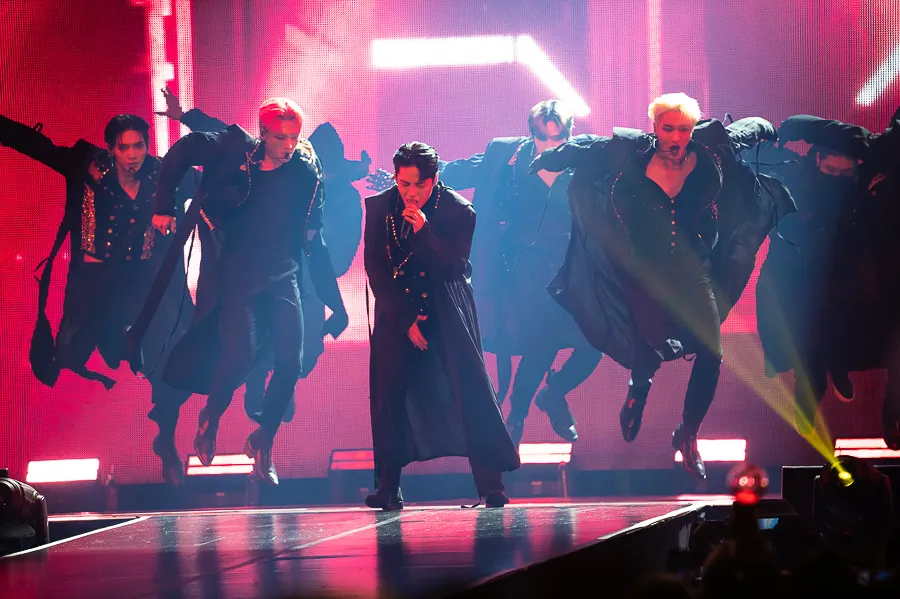
Each one usually comes with its own concept. That can mean new hair colours, outfits, album packaging and a completely different visual style. One era might be bright and playful. The next could be dark, futuristic or slightly unhinged. That’s part of the fun.
Is a Debut a Comeback?
Not quite. A debut is an artist’s first official release. Everything after that can be called a comeback, even if only a few months have passed.
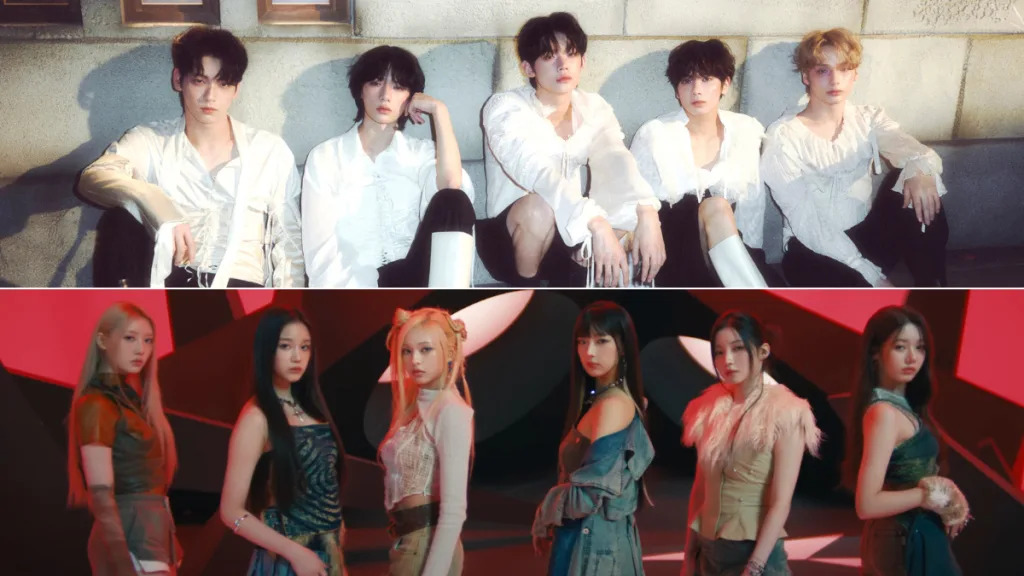
You may also hear terms like solo debut, when a member releases music alone for the first time, or re-debut, when an artist starts again as part of a new group.
Source: mens-folio.com

Source: kprofiles.com
What Happens Before a Comeback?
The build-up often starts weeks before the music is released. Every company handles it differently, but most comebacks include at least some of the following.
The Announcement
Sometimes fans get a clear announcement with the album title and release date. Other times, it starts with a mysterious image, logo or short video that immediately sends the entire fandom into detective mode.
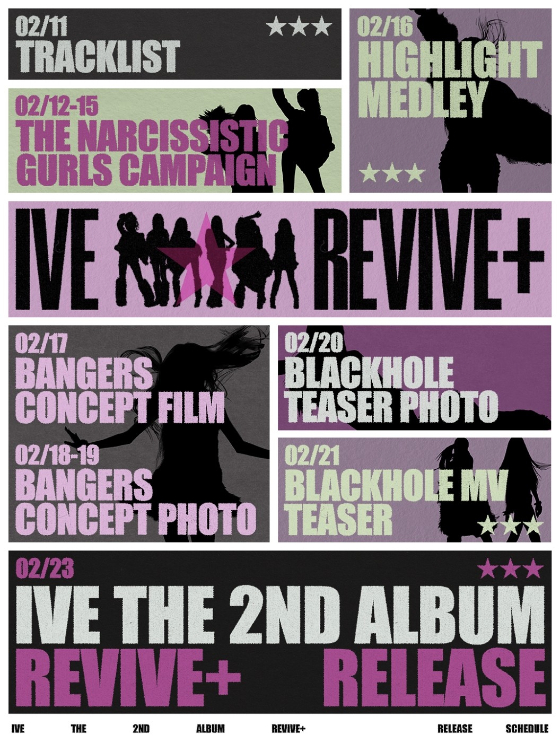
The Comeback Scheduler
A scheduler is a calendar showing when each piece of comeback content will be released. It might include concept photos, a tracklist, album previews and music video teasers.
Fans screenshot it, save the dates and start counting down.
Source: starnewskorea.com
Concept Photos
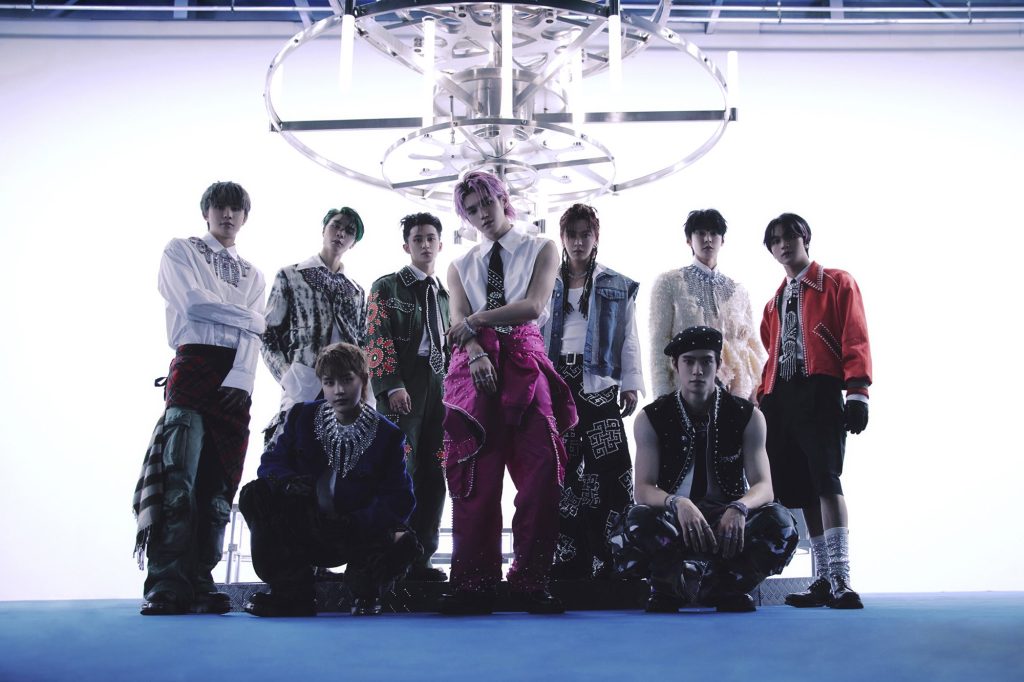
Concept photos reveal the look of the new era. There are often several versions, each with different styling, sets and outfits.
These photos are also commonly used inside the physical albums, which is one reason the same release may come in several different versions.
Source: yahoo.com
The Tracklist and Highlight Medley
The tracklist reveals the songs included on the release, along with writers, producers and any featured artists.
Some groups also release a highlight medley with short previews of every song. This is when fans confidently choose their favourite track based on twelve seconds of audio.
Music Video Teasers
Short teasers usually arrive just before release day. They might include part of the chorus, a glimpse of the choreography or several dramatic scenes that make absolutely no sense until the full video drops.
Sometimes they still make no sense afterwards.
Check the Time Zone
Comeback schedules are often published in Korean Standard Time, or KST. Depending on where you live, the music video may be released earlier in the day or even on a different calendar date.
Always check the time zone before setting an alarm or planning a release-day event.
What Happens on Release Day?
On comeback day, the album or single and its main music video are usually released at the same time.
The song promoted most heavily is called the title track. It normally gets the main music video, choreography and music show performances.
Some artists also hold a comeback showcase, livestream or fan event where they perform the new songs and talk about the album for the first time.
The Promotion Period
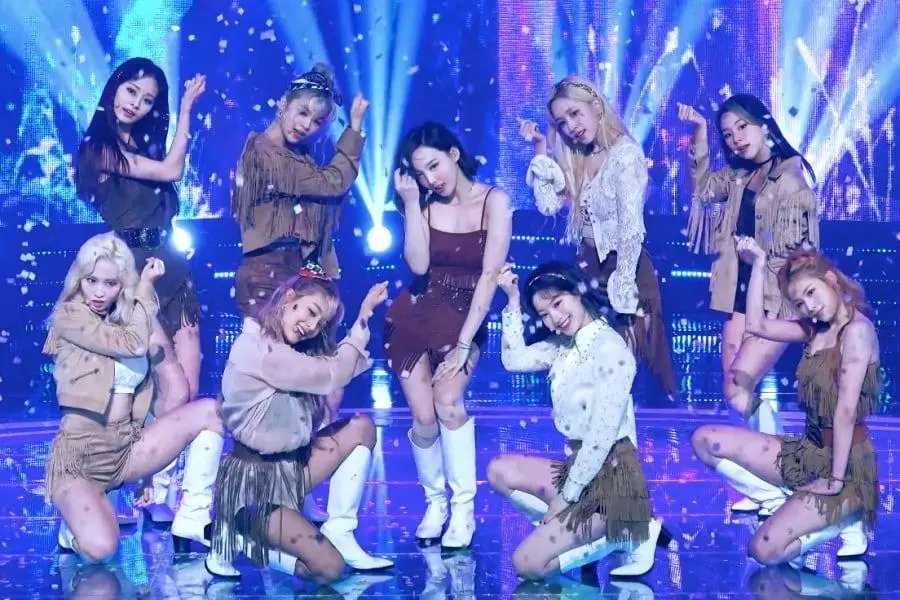
After the release, the group begins promoting the comeback. This can last a few days or several weeks, depending on the artist and their schedule.
During this period, you might see them appearing on:
Music shows: Weekly programmes such as M Countdown, Music Bank and Inkigayo, where artists perform their latest songs.
Variety shows and YouTube series: Interviews, games, challenges and other appearances designed to promote the release.
Radio shows and podcasts: A chance to hear more about the album, recording process and the members themselves.
Fan signs and video calls: Fans who enter through participating album retailers may get the chance to meet or speak with the artist.
Source: soompi.com
What Is a Music Show Win?
Korean music shows give out weekly trophies to songs currently being promoted.
The results can be based on a mix of digital performance, physical album sales, music video views, broadcast scores and fan voting. The exact rules are different for each programme.
A group’s first win is the first music show trophy of their career. It’s a huge moment, especially for newer artists and their fans.
Album Pre-Orders
Physical albums often go on sale before the music is released. During the pre-order period, different shops may offer exclusive photocards or other bonuses.
These are usually called pre-order benefits, or POBs. They’re optional extras, but they are also very good at convincing collectors that they suddenly need five copies of the same album.
Why Are There So Many Album Versions?
Physical K-pop albums are designed as collectibles. The same album may be released in several versions with different covers, photobooks, photocards and other inclusions.
You don’t need to buy every version to take part in a comeback. One album is fine. No albums is also fine.
The comeback will still be waiting for you on Spotify.
Why Comebacks Feel Like Such a Big Deal
A comeback gives fans something new to experience together. Everyone is seeing the concept photos, hearing the songs and watching the performances at roughly the same time.
There are theories, favourite outfits, photocard reveals and passionate debates over which B-side deserved its own music video.
Some fans also join streaming or voting projects. Others simply listen to the album and enjoy the content. There’s no single correct way to take part.
Comeback Events in Your City
Comebacks don’t only happen online. K-pop shops, cafés and fan organisers often hold local events to celebrate a new release.
These might include:
- Album listening parties
- Cupsleeve events
- Photocard trading
- Dance workshops
- Fan markets
- Official album pop-ups
- Release-day meetups
You can browse upcoming fan events, pop-ups and release parties on KPopTracker.
If you know about a comeback event that isn’t listed yet, you can also submit it to KPopTracker so other local fans can find it.
K-Pop Comeback Terms to Know
Title track: The main song being promoted, usually with a music video and choreography.
B-side: Any song on the album that isn’t the title track.
Mini album: A shorter album, similar to an EP.
Concept: The overall theme and visual style of the comeback.
Era: The full period connected to a particular release and its promotions.
Bias: Your favourite member of a group.
First win: The first music show trophy won by an artist.
Fanchant: Specific words or member names shouted by fans during a performance.
POB: A pre-order benefit offered by a shop during the album’s pre-order period.
How to Join Your First Comeback
Start by following the artist’s official accounts so you don’t miss the teasers or release date. Listen to the album, watch the performances and explore as much or as little extra content as you want.
You can also check whether any local shops or fan organisers are planning a comeback event near you.
For weekly updates, subscribe to the UK K-pop events newsletter or the US K-pop events newsletter.
Your first comeback can feel like a lot. There are schedules, teasers, album versions, voting apps and suddenly everyone is talking about POBs. You don’t need to keep up with all of it. Listen to the music, follow the parts you enjoy and ignore the rest.